







|
|
field recording, listening interests, experiments/compositions... ::: 21 August 2019 :::  
soundcloud... blog
honesty, process, embodiment A rare aural glimpse of this pure and profound life artist ~ Seshen ~ in offering, in performance, transformation, meditation... emergence and return, depicting through sound/musical perception (as well as movement/dance/motion) existence through the stages from caterpillar, to pupa, to butterfuly. The audience was never told what the "story" was, and the space was clear and highly attentive. Fearlessness, purity, beauty, intention, originality, honesty, journey... I am deeply moved to honor and share this and make available to those who have come here now, ready and wanting. Love, B 33:00 
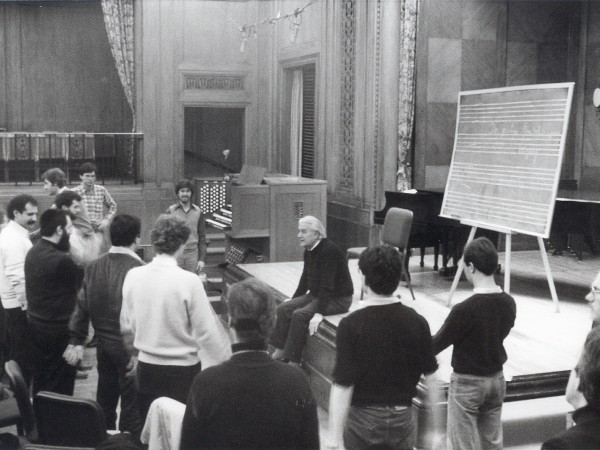
Celibidache, Carnegie Hall 1984
In 1984 at the age of 71 conductor Sergiu Celibidache agreed to give a three-week intensive rehearsal and teaching residency at the Curtis Institute of Music which culminated in a performance at a Carnegie Hall 60th anniversary benefit concert with the student orchestra. It was also Celibidache's "American debut". Live nature/outdoor feeds...
via www.locusonus.org/soundmap/051/... 
Lobi van Beethoven 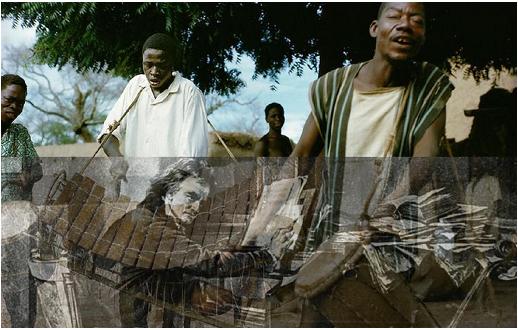 Sonata No.13 Op.27 No.1, 2.Allegro molto e vivace + balafon playing from Ghana April 2016 2:O3 Vivaldi Octave lower, half speed  Concerto RV 159 in La maggiore 1. Allegro 2. Adagio 3. Allegro Concerto RV 271 "L'Amoroso" in Mi maggiore 1. Allegro 2. Cantabile 3. Allegro The English Concert, Trevor Pinnock [direttore e cembalista] Sunday morning bells Padova, Italy, from Hotel Igea bedroom window, October 11, 2015 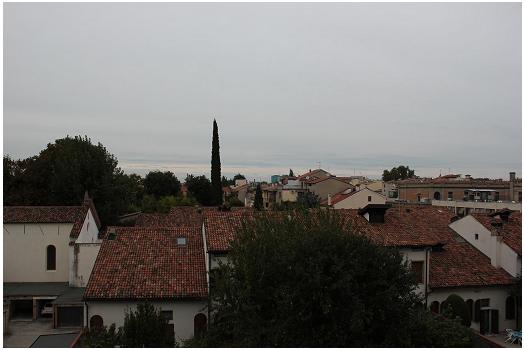 4:13, and in halftime: 2:06 Enlightening listening/viewing 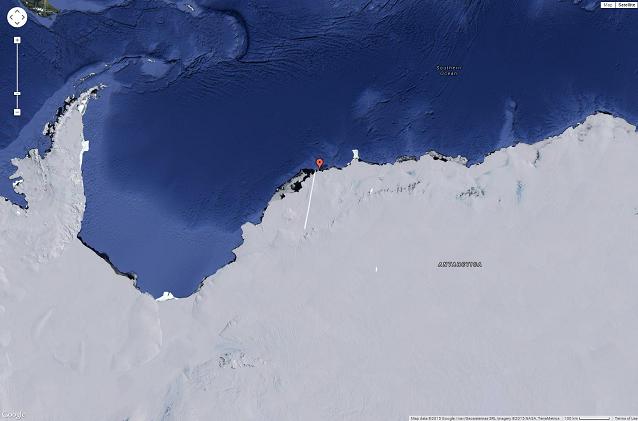 Acoustic records of the underwater soundscape at PALAOA - Antarctica
Audio stream files, sound spectrum images and 24hr-to-1min timelapse videos above land on site (!!), 2005-2011: www.doi.pangaea.de/10.1594/PANGAEA.773610 Watazumi Doso Roshi 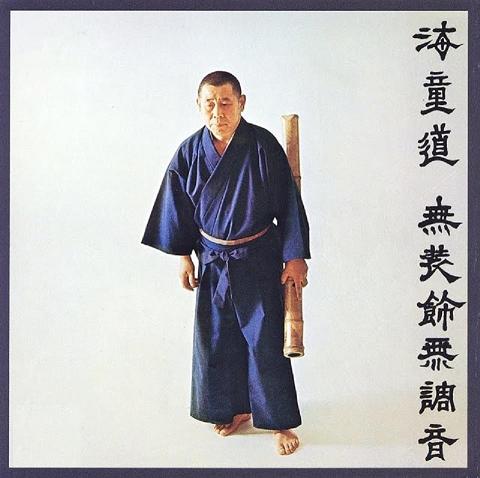 fukanzazengi 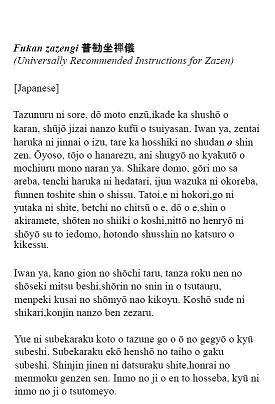 Taisen Deshimaru chanting Dogen's fukanzazengi ghau kilori 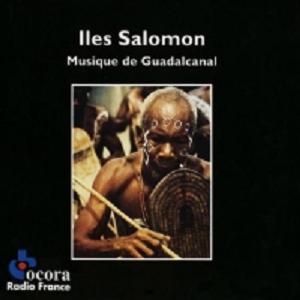
“The Aeolian organ [ghau kilori] is a wind instrument which is not played by man but blown by the wind.
The instrument we recorded consists of four bamboo-canes (ghau), about 15 to 18 feet in length.
After stripping off the foliage the men cut an opening in the internodes of the upper part of the canes…In practice,
each cavity does not give one precise sound, but a multitude of harmonics, some of which emerge more clearly than others,
depending on the force of the the wind. A real storm is needed for the Aeolian organ to be heard properly.
On this recording the sound of the waves can be heard breaking on the shore and the leaves of the coconut palms and other trees
rustling in the wind. The ghau kilori used to be built for one particular event: the committing of a body to the sea.
The sound of the Aeolian organ was thought to call the spirit of the dead man back to his village before it went to dwell in the island of Malapa,
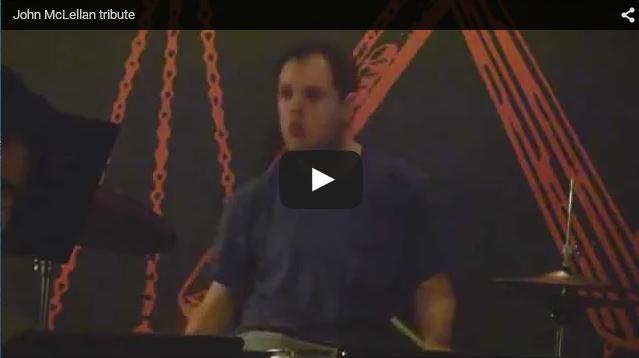
situated off the south-east tip of Guadalcanal.” (OCR 74 liner notes) John McLellan (1968 - Oct. 29, 2014)
An extraordinary musician; a truly original drummer and improviser in a language of rhythmic orchestration and dynamics, counterpoint in ideas, space, touch, spirit...
Beethoven Op. 131 & 135 Do you know the arrangements for string orchestra of these late quartets?   font size=4>Excerpt from a conversation between John Cage and Morton Feldman, 1967 Original source: UBU.com/sound/feldman.html, Part 2 25:28  Adagio from Vivaldi Op. 9 Concerti Nos. 2 & 11 simultaneously... A major / C minor. 2:27 Nos. 8 & 9... D minor / Bb major 3:04 from Violin concertos: B-minor + Eb major... 3:37 B-minor + F major... 4:32  The 3 slow middle movements from Brahms 3 Violin Sonatas simultaneously. Arthur Grumiaux, Gyorgy Sebok 6:56  Early recordings of pianist Moriz Rosenthal paired simultaneously by duration...
1. Schubert Moments Musicaux No. 3 in F minor, + Chopin Op. 10 Etude No. 1 in C 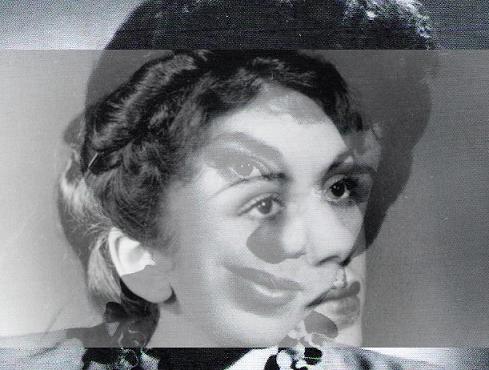 Some simultaneous pairings by duration from the Well-Tempered Clavier played by Rosalyn Tureck
1. Prelude No. 5, D major + Fugue No. 11, F major 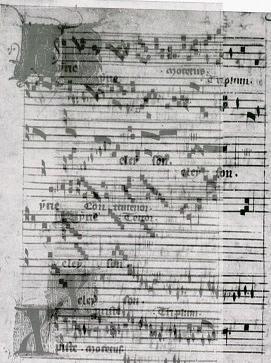 Two Machaut motets simultaneously 1. Fins Cuers Dous + Bone Pastor 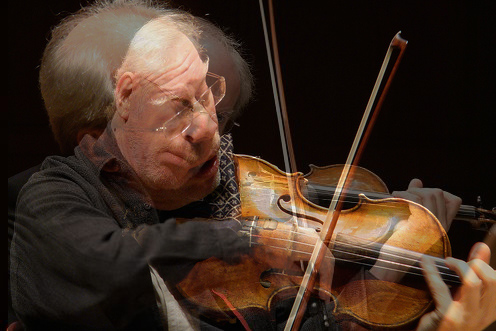 Doubles of Gidon Kremer in the Bach Sonatas and Partitas 1. 3:32 2. 3:23 3. 2:28 4. 4:58 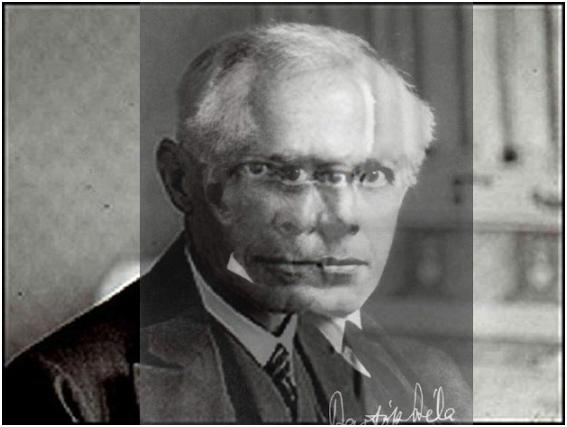 Combinations from Bartok's Mikrokosmos using two pieces of same duration Gyorgy Sandor, piano
1. No. 129: Alternating Thirds + No. 131: Fourths 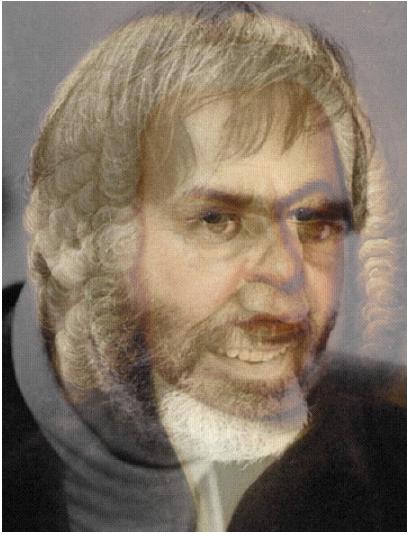 Bach's Goldberg Variation No. 13 with Helmut Lachenmann's Guero for piano Rosalyn Tureck and Helmut Lachenmann, piano 3:58 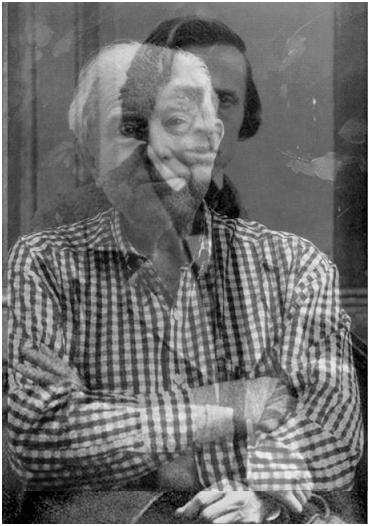 Chopin's Prelude in C# minor for piano combined with Carter's Fragment for string quartet Martha Argerich, piano; Arditti Quartet 4:05 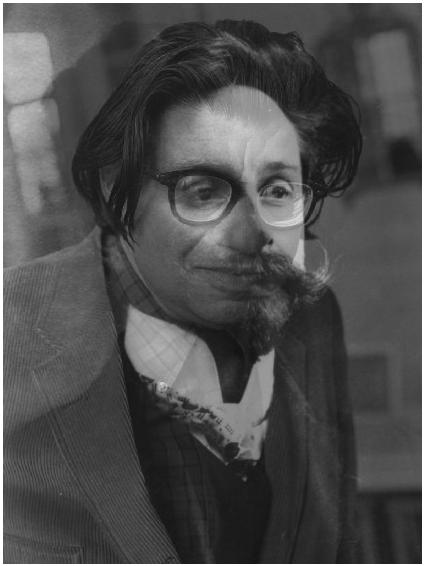 Scriabin's Prelude Op. 11 No. 15 for piano combined with Feldman's first of two Pieces for Clarinet and String Quartet 2:26 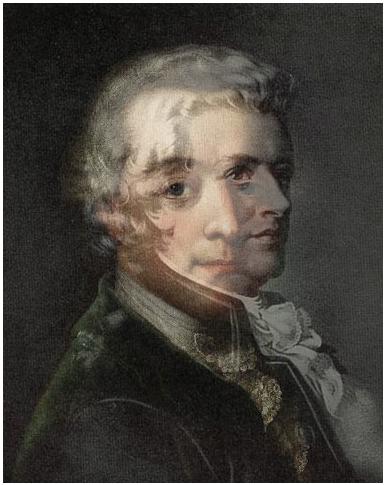 Andante from Mozart piano sonatas 16, 17, 18 simultaneously... B major / D major / F major. Mitsuko Uchida, piano 9:32 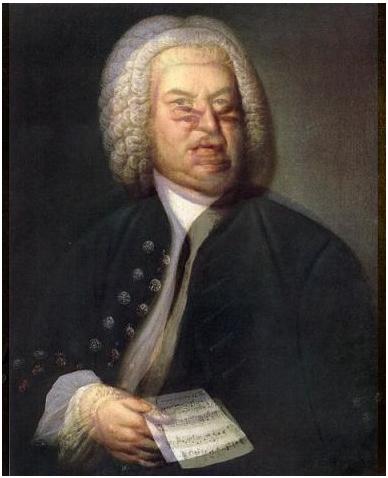 Bach Cello Suites Allemande from Nos. 1 & 5 simultaneously... G major / C minor. Pierre Fournier, cello 4:35 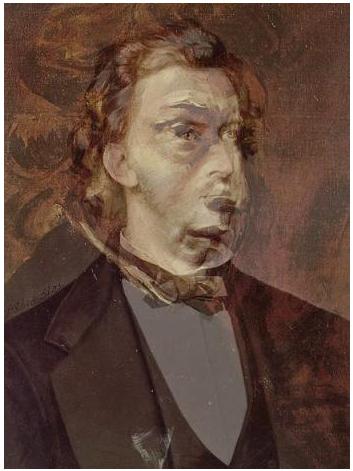 Chopin Ballades Nos. 2 & 3 simultaneously... F major / Ab major. Arturo Benedetti Michelangeli, piano 8:10 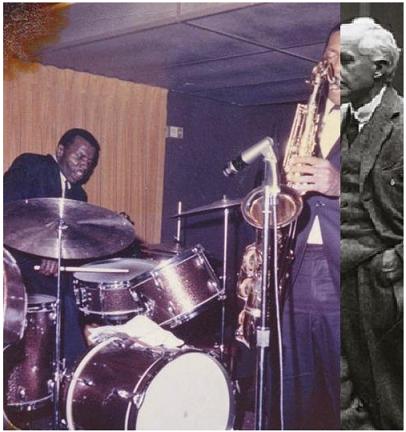 February 2014 A friend asked me about a specific section in Bartok's 2nd Violin Sonata and which Coltrane it sounded like. I recognized it immediately - "Creation", live from the Half Note - and lined the two up! Bartrane  John Coltrane, Soldier Field, Chicago, August 15, 1965 John Coltrane, Archie Shepp, tenor saxophone; McCoy Tyner, piano; Jimmy Garrison, bass; Elvin Jones, drums A rare bootleg of the group headlining the Downbeat Jazz Festival. To quote from Coltrane: The Story of a Sound - "His performance at Soldier Field....has been understood as a famous breaking point - a Dylan-at-Newport, or a Rite of Spring. As with both of those examples, the challenge put forth from the artist to the audience is half-overstated and half-real. The set was 37 minutes long. The quartet, with Archie Shepp as an extra on tenor, yoked together a set out of the theme from "Nature Boy" and "Blue Valse."... It aggravated a great part of the crowd, prompting, according to some witnesses, a large exodus....casual jazz fans who had been in the sun all day at a free festival, listening to more straightforward performances by Woody Herman and Gerry Mulligan and Monk and Joe Williams..." 35:55Ervin Nyíregyházi
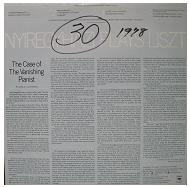
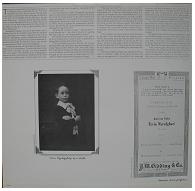
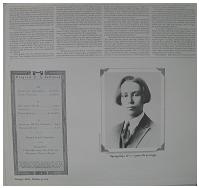
At a thrift shop I frequent on the upper west side of Manhattan where LPs are $1 each, a came across this record not knowing who
Ervin Nyíregyházi was, just going by the jacket which made it clear these were historic recordings of someone quite phenomenal. It wasn't
until the following day when I listened to the music and read the notes on the inside that in the matter of an hour my life was changed forever
by the incredible story and pianism of this guy. 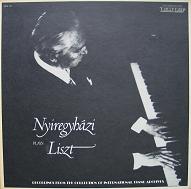 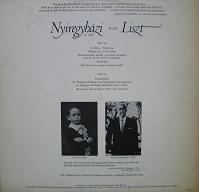  
  SIDE ONE 1. En Reve - Nocturne 2:25 2. Ballad No. 2, B minor 16:27 3. Sunt lacrymae rerum, en mode hongrois 7:52 4. Abschied 2:25 SIDE TWO 1. St. Francois d'Assise (La Predication aux oiseaux) 13:03 2. St. Francois de Paule marchant sur les flots 9:54 Also just discovered, the remaining out of print CBS recordings from the 1978 sessions (as of side A on the LP above), and in fact the only studio recordings which exist of him. This piano playing is about the most engaging I have ever experienced. The gravity of his sound and time... A window through to the truth; this man's spiritual life message. So important... so one-of-a-kind... 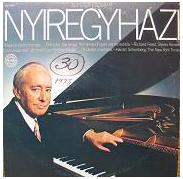
1. Hungarian Rhapsody No. 3 8:46 2. Misere After Palestrina 7:32 3. Abdenglocken 10:11 4. Aux Cypress de Lavilla d'Este 8:40 5. Nuage Gris 3:29 6. Mosony's Funeral 10:59 7. March Of The Three Holy Kings From Christus (Trans.Nyiregyhazi) 14:21 8. Polnisch 10:17 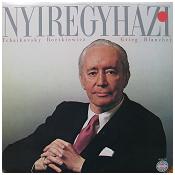

Grieg: 1. Sie tanzt, Op. 57, No. 5 3:44 2. Der Hirtenknabe, Op. 54, No. 1 5:49 3. Waltz in A Minor, Op. 12, No. 2 3:15 4. Heimwartz, Op. 62, No. 6 3:59 Tchaikovsky: 5. Warum?, Op. 6, No. 5 4:08 Blanchet: 6. Au Jardin du vieux serail 4:08 Tchaikovsky: 7. Waltz in A-Flat Major 5:00 8. Romance in F Minor, Op. 5 7:23 Bartkiewicz: 9. Travel Pictures: Poland (Mazurka), Venetian Gandola Song, In Spain 10:33 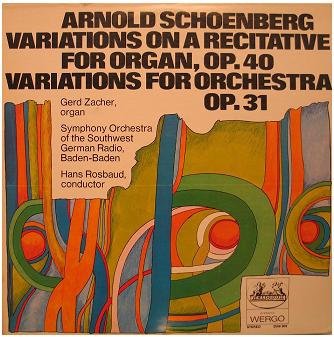 Quite possibly the best LP of Schoenberg's music I've ever heard 1. Variations on a Recitative for Organ, Op. 40 18:52 Gerd Zacher, organ (reminded me of the music beginning George Lucas's early THX 1138 film made back in 1967 when he was a student at USC) Schoenberg's handwritten score to it: 
2. Variations for Orchestra, Op. 31 21:26 Hans Rosbaud, cond., Symphony Orchestra of the Southwest German Radio, Baden-Baden Srimati M.S Subbulakshmi Amazing... 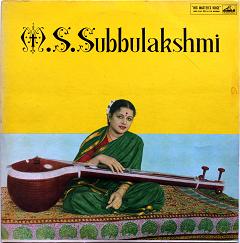
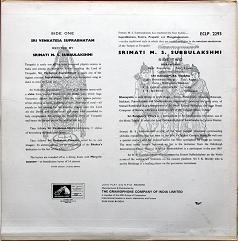 A. Sri Venkatesa Suprabhatam 20:39 B. Bhavayami 19:52 Takahashi Kuzan 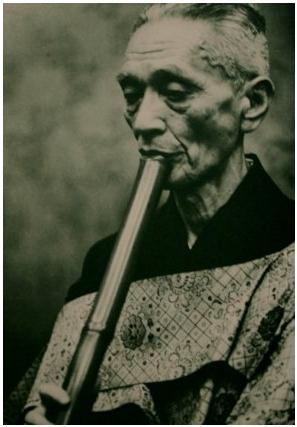
Takahashi Kuzan (1900-1986) was born in Hokkaido and grew up in Yamagata in the Northern part of Japan.
Initiated in Jû-jutsu (bare fisted fight), Ken (fencing), Naginata and Yari (lances), Shuriken (projectiles) and Yumi (archery),
he traveled throughout Japan on pilgrimage for the secrets of Fuke Shakuhachi. It is mentioned in the document The Temple of
Myoan of the Mountain Kyorei by Tsukamoto Kido that "Kuzan was transmitted with the essence of Shakuhachi from Kobayashi Shizan, Okazaki Meidô,
Katsuura Shôzan, and mastered the art of the different schools Kinpû-ryû, Kaidô-ryû, and Nin-ryû. It is said that he received the
transmission of more than 250 pieces of the traditional repertory. His playing was different from Nyozan and he is the greatest and
the most recognized player of the modern age."
Kuzan eventually settled in Tokyo where he opened a dojo to teach the three traditional pillars of
komuso art, "teki zen ken" -
shakuhachi, zazen and martial arts, as well as calligraphy. He became widely renowned as a master of shakuhachi and preserver
of the old traditions - pieces which were learned from the last remaining players
and preserved in no other lineages, in particular the Honkyoku repertoire of Fusaiji in Ise
and repertoire of Shinobu-ryu. He was also known for his science and mastery of the Hitoyogiri, Satsuma Biwa and Hichiriki instruments. 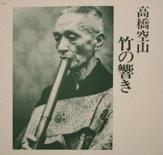 Take no Hibiki or The Sound of Bamboo 1. Kyorei 4:29 2. Shinseki 3:00 3. Tsuru no Sugomori 10:34 4. Sagariha 1:30 5. Mushi no Ne 3:15 6. Nezasaha Shirabe 4:09 7. Sanya 5:12 8. Gematsu 4:56 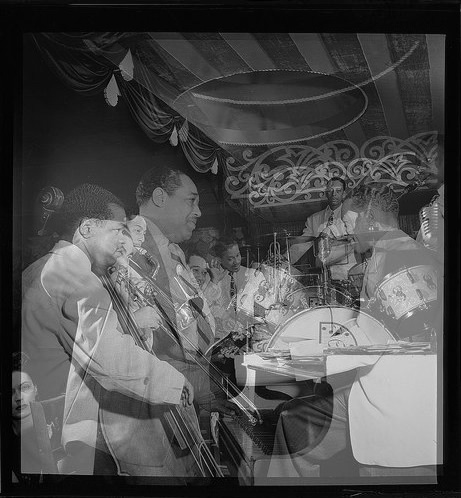 Dduukkee Eelllliinnggttoonn Simultaneously the 1944 & 1946 recordings of Duke Ellington's orchestra at Carnegie Hall playing "The Blues" from Black, Brown and Beige. Marie Ellington sings in the 1944 version, Joya Sherrill the one from '46. Al Sears tenor saxophone on both. 5:35Oh D minor... 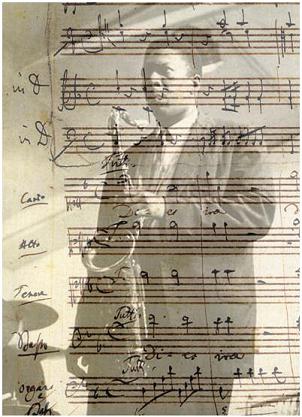 Oh my D-minor loves... Mozart's Requiem superimposed over Coltrane's Impressions live at the Village Vanguard 8:21 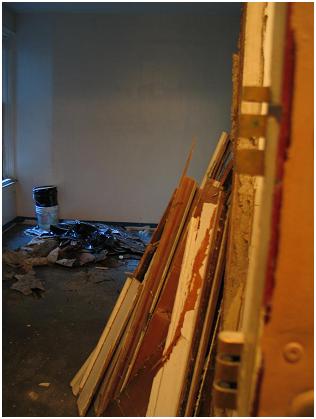 The sound of the wall in the apartment next door being destroyed 10:45  Albert Ayler interviews 1964, 1966, 1970 John Coltrane interview Japan, 1966  11:39  One of the truly random voicemails you can get as a trombonist in New York City. Pretty hilarious I think. No idea who this was, how he got my number... :34 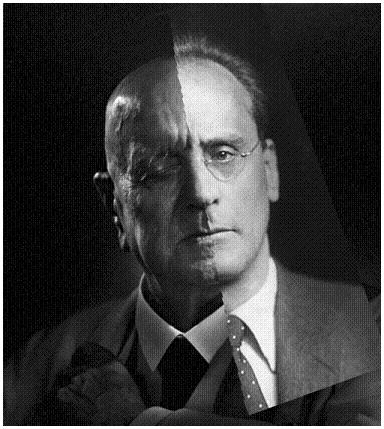 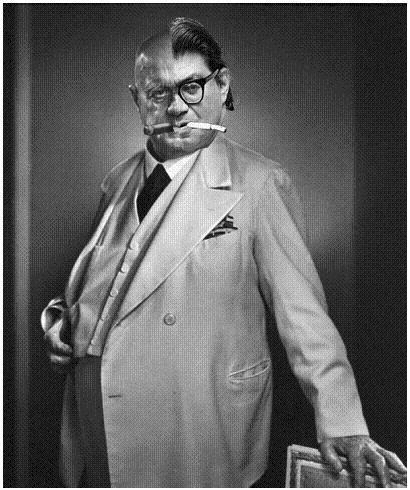 "Feldman loved to challenge students' assumptions about what ideas were au courant, about which composers were radical and which were conservative. He proclaimed, for example, a love for Sibelius, who had long been derided in progressive circles as a retrograde Romantic. When I visited the small archive of Feldman papers at SUNY Buffalo, I came across an exam paper in which the composer asked his students to analyze Sibelius's Fifth Symphony alongside Webern's Concerto Opus 24" — Alex Ross, New Yorker Magazine Superimposed...Sibelius 5 + Webern Op. 24 Sibelius 4 + Feldman Piano Concerto & Cello Concerto Pablo Casals LP 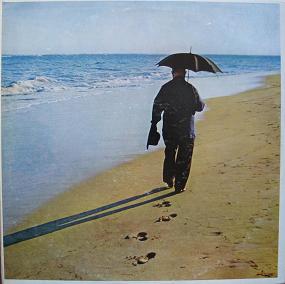
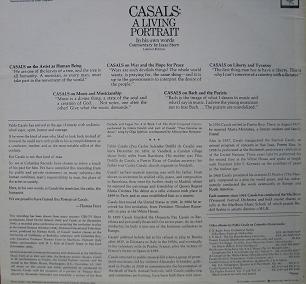 SIDE 1 SIDE 2 Alternate takes March 2010 Superimposed... It dawned on me how on a lot of the old jazz records, alternate takes were often about the same length. Revisiting some of these albums after many years and listening to them with these tracks superimposed offered an exciting new insight into the sound of this music, perspectives on autonomy and indeterminacy very relevant in improvisation, and a joyous expansion on these musicians' sounds and song, multiplying aspects of this aural history into an abstracted afterlife of collage. So simple and so affecting! I am grateful to be able to share this... 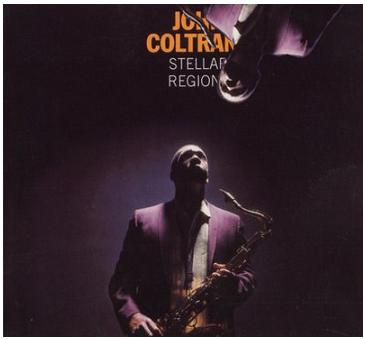 Stellar Regions (2 takes) Sun Star (2) 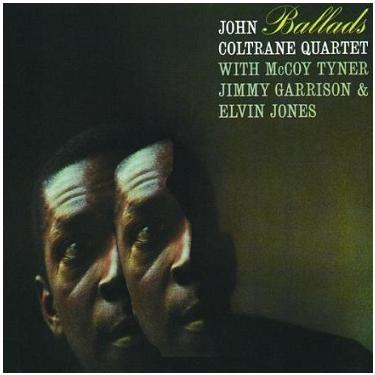 All tracks simultaneously (8) 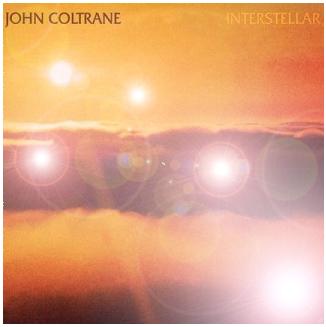 All tracks simultaneously (6) 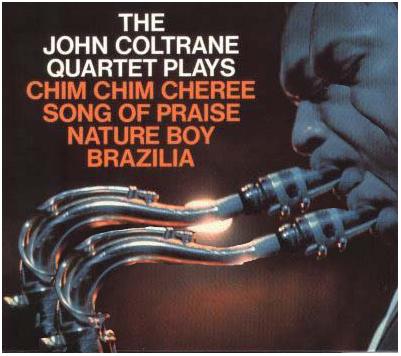 Nature Boy (2 takes) 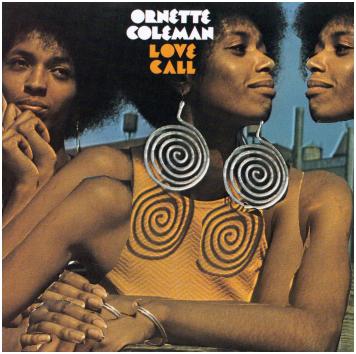 Check Out Time (2) 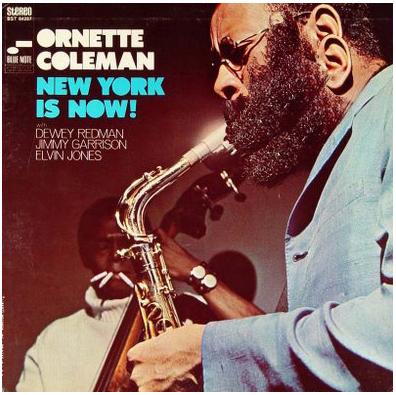 Broad Way Blues (2) 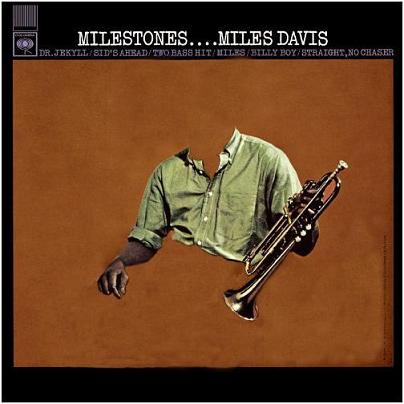 All tracks simultaneously (6) 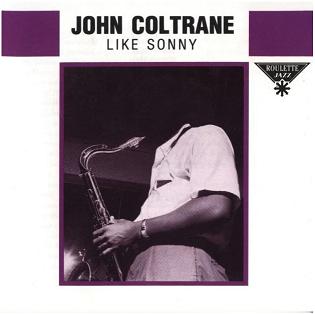 Exotica (2) 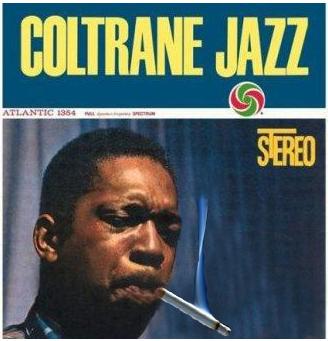 Like Sonny (2) I'll Wait and Pray (2) 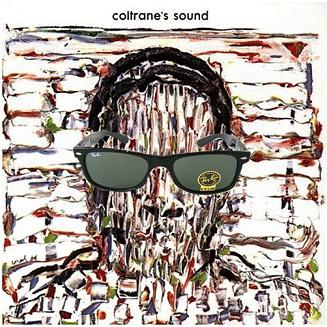 Body and Soul (2) 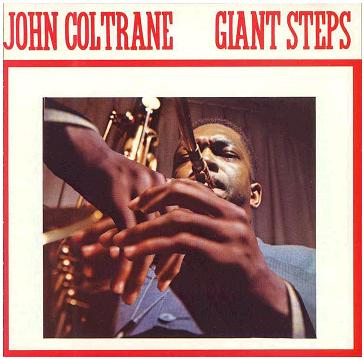 Giant Steps (11) Naima (4) Cousin Mary (2) Countdown (2) 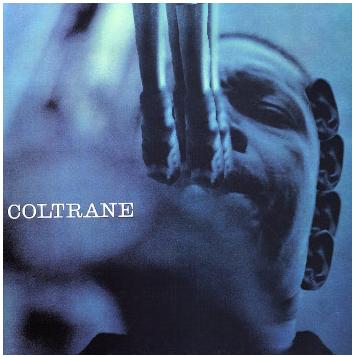 Tunji (4) Impressions (2) 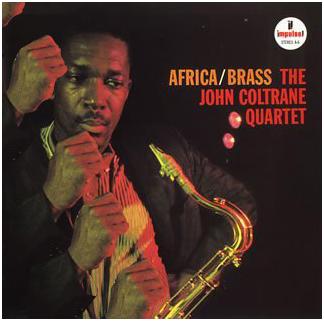 Africa (2) Greensleeves (2) 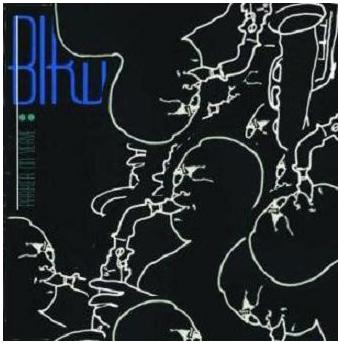 Leap Frog (3) Relaxin with Lee (3) An Oscar for Treadwell (2) Mohawk (2) My Melancholy Baby (2) Laura (2) I'm in the Mood for Love (2) I'll Remember April (2) Au Privave (2) She Wrote (2) Why Do I Love You (3) Swedish Schnapps (2) Bach Home Blues (2) La Cucaracha (2) Estrellita (3) Kim (2) Cosmic Rays (2) In the Still of the Night (4) Old Folks (3) Chi Chi (4) I Get a Kick Out of You (4) Love For Sale (2) I Love Paris (2) 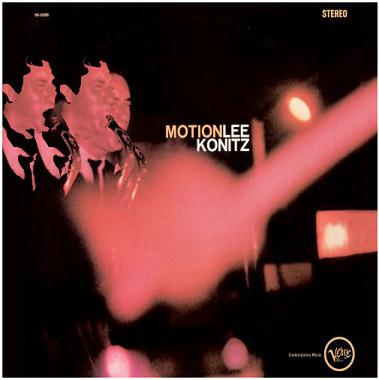 I Remember You (3) You Don't Know What Love Is (2) Foolin' Myself (2) It's You Or No One (2) Out of Nowhere (2) 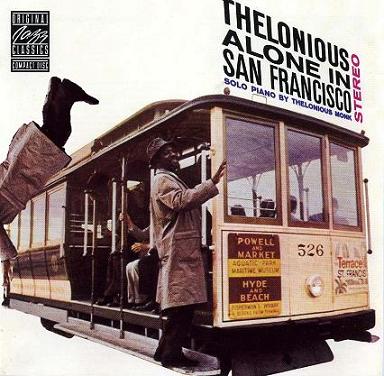 There's Danger in Your Eyes (2) 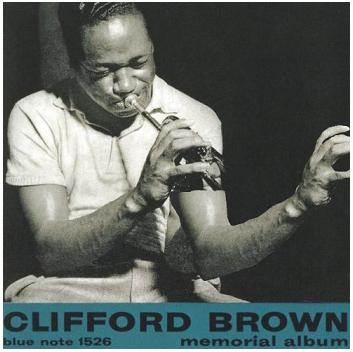 Cherokee (2) Carvin' the Rock (2) Wail Bait (2) 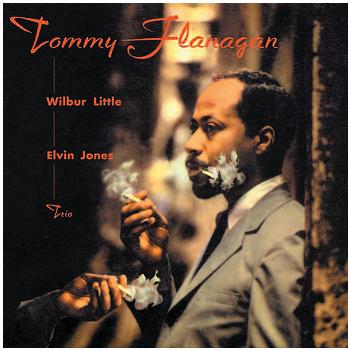 Verdandi (2) Dalarna (2) 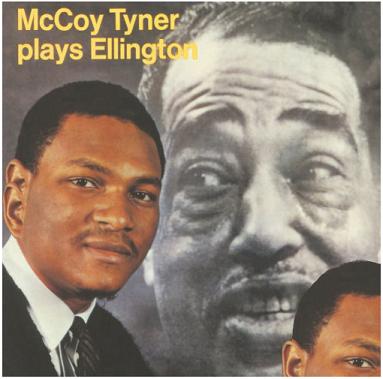 Gypsy Without A Song (2) 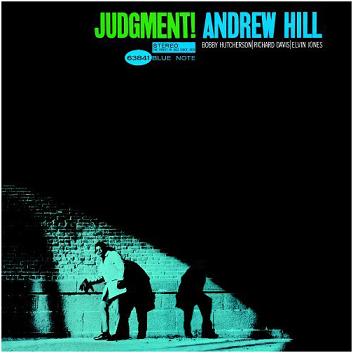 Yokada, Yokada (2) 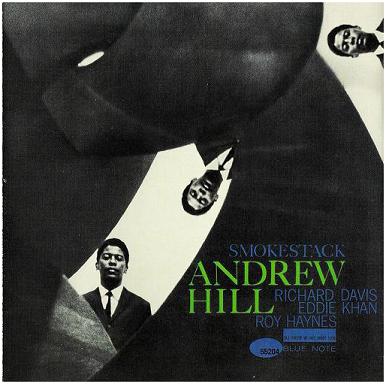 Ode to Von (2) Smokestack (2) 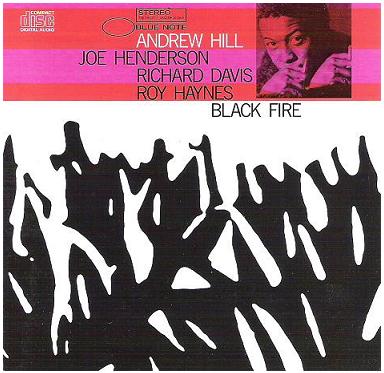 Pumpkin (2) 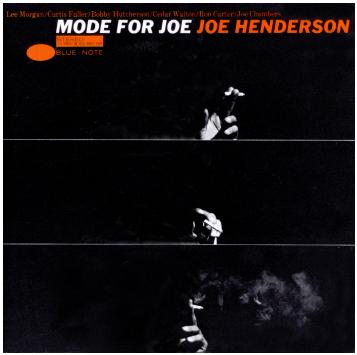 Black (2) 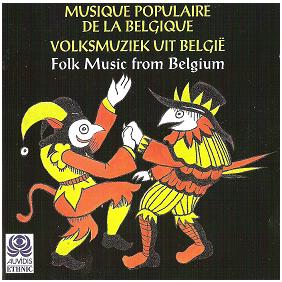 The hunting horns of Royale Foret Saint-Hubert! 1. La Saint Hubert 0'52 2. Le Nouveau Depart 0'49 3. Le Clocher de Dampierre 1'10 4. La Royale 0'39 The sound of... 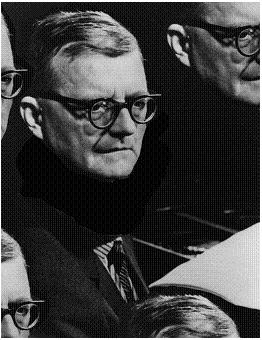 24 pianos All 24 Opus 87 Preludes by Shostakovich begun simultaneously, directly followed by all the Fugues, in the same fashion. 1. 11:28 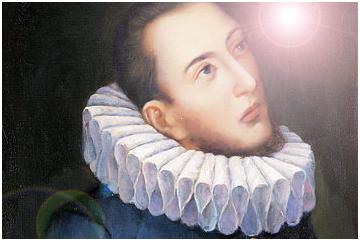 Seven sublime recordings of different "Nocturno Responsorium" by Gesualdo played simultaneously 1. 4:45 Zabaleta x 3 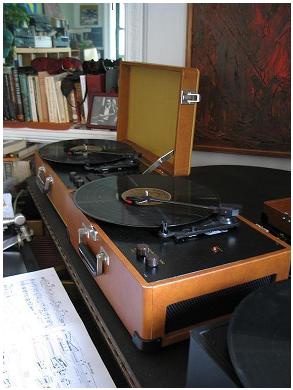 17:57 Three LPs of harpist Nicanor Zabaleta begun simultaneously, conducted with the volume knobs. Left: Record 2, Side 1 - 18th century: CPE Bach and Beethoven's Variations on a Swiss Theme Center: Record 3, Side 2 - Modern French and Spanish: Caplet, Pittaluga, Tournier, Haiffter Right: Record 1, Side 1 - 16th century: Anonymous, Mudarra, Narvaez, Cabezon, Milan, Palero Pauline Kael And Stan Brakhage (1964?) ”Legendary film critic Pauline Kael is captured here in conversation with filmmaker Stan Brakhage. While the tape is incomplete, we do hear Brakhage defend his practice, his epic film DOG STAR MAN, his influences, his search for ‘ a happening in structure’… Brakhage proudly declares: ‘I'm an amateur filmmaker, I make home movies.’” —Ubu.com, Rare Audio from Anthology Film Archives ________________________________ Stan Brakhage... nothing could stop him, His Life was his Art... But Pauline Kael?? Never made a film in her entire life, and became an esthetic snob who found a sense of "prestige" for herself by trying to get in between artists and their work and its audience rather than make her own... in other words, attempting to almost take away credit from the artist and use it to build her own sense of "notoriety" or "achievement"... The Seven Themes 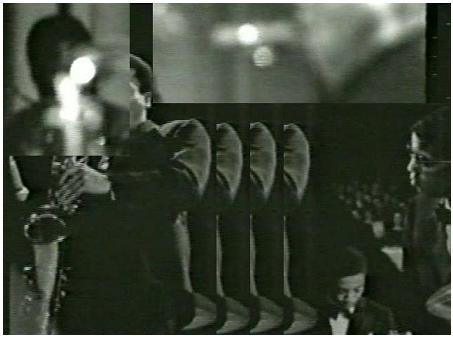 Playing simultaneously all seven of "The Theme"s from the Plugged Nickel recordings of the Miles Davis Quintet The Themes 10:22 Szeryng, Milstein, Heifetz 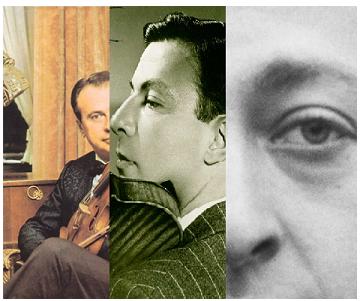 Three LPs combined of them each playing Bach's G minor violin sonata Szeryng-Milstein-Heifetz 16:42 Gurdjieff 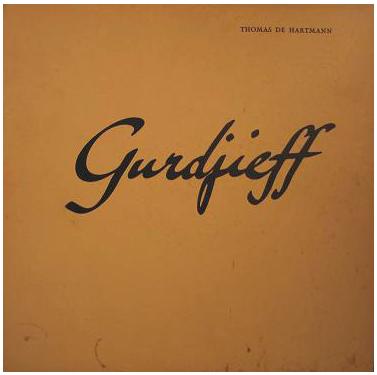 A beautiful record of G.I. Gurdjieff's piano music. The only information on it is "played by Thomas de Hartmann." There is no date or label. Side 1, Side 2 Beethreeven  Three LPs mixed together of three different string quartets (the Budapest, Amadeus and Yale) each playing the adagio from Beethoven's A-minor opus 132 1. Molto adagio - Andante - Molto adagio 17:15 Baby Records Two beat-up copies of the same old favorite baby record playing from two portable suitcase turntables simultaneously 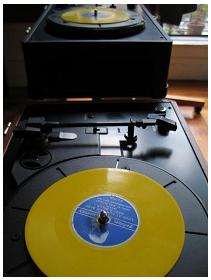 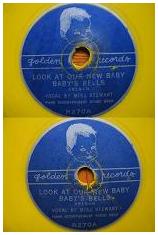 Sides 1 Sides 2 Kol Nidre in Moscow September 15, 1956 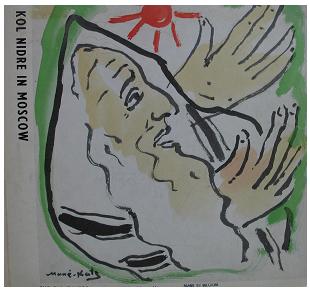
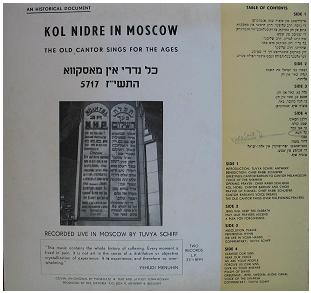 
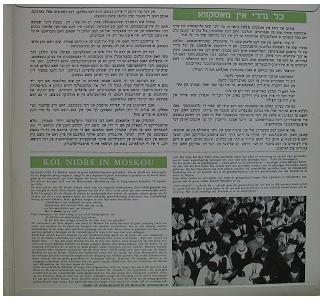 side 1 23:39 side 2 22:05 side 3 21:52 side 4 23:21  March 14, 2008 The sound of all Bach's Goldberg Variations playing simultaneously - Glenn Gould, 1981. 1. Goldberg Variations Variation 6:03 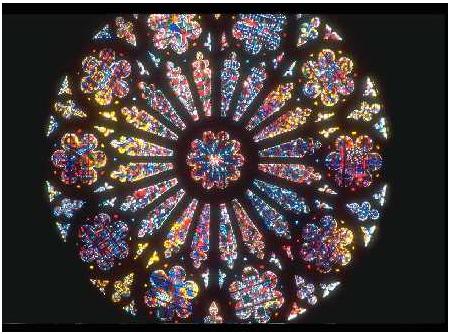 February 24, 2008 Olivier Messiaen's Livre d'Orgue, which I recorded organist Gail Archer performing in a free concert given at Rutgers Presbyterian Church on w. 73rd St. 1. Reprises par Interversion 7:47 2. Piece en Trio 2:05 3. Les Mains de l'Abime 6:24 4. Chants d'Oiseaux 9:54 5. Piece en Trio 10:19 6. Les Yeux Dans les Roues 2:15 7. Soixante Quatre Durees 11:37 Mirra Alfassa 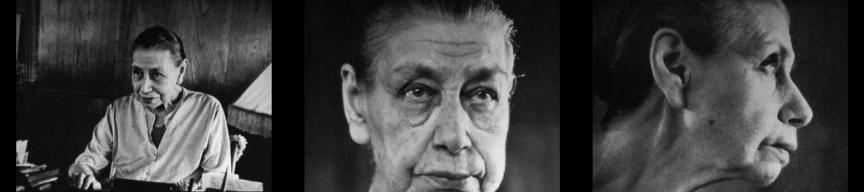 Also known as The Mother, I recently came across Mirra Alfassa for the first time in the sixth episode of Louis Malle's Phantom India (1969), at the ashram of Pondicherry. Alfassa was the spiritual guru to that area. Cameramen were not allowed to film her, only record her voice. What she said, the sound of her voice - I was so struck by it... This is a beautiful book... The Mother speaks 1:36 Translation: It never happens the same way twice. Generally, it happens when we least expect it. And it’s usually when we’ve surrendered our so-called knowledge, our convictions, and abandoned all hope that we enter a state where we’re able to receive it. Revelation is always present. It’s always here. We’re the ones who don’t let it in. Knowledge is always present. Enlightenment is always present, floating above everything, ready to be received. It’s only because we’re so completely blinded by everything we think we know and want to do that we can’t receive it. But at the moment we surrender, for whatever reason, it makes us a bit passive and open, and that’s when we receive it. ... "Phantom India" 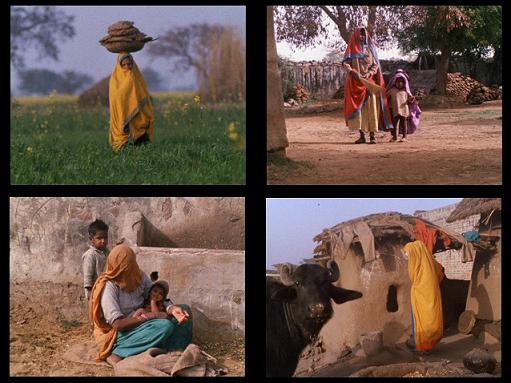 Hours of beautiful footage documented by filmmaker Louis Malle in the early 1960s. This has just recently been made available on dvd, and I couldn't more highly recommend something to see, or hear. So for that matter, here are the sound environments of it all which I recorded and spliced out the French commentary from episode 1 - the impossible camera 15:27 episode 2 - things seen in madras 17:34 episode 3 - the indians and the sacred 17:00 episode 4 - dream and reality 19:47 episode 5 - a look at castes 25:26 episode 6 - on the fringes of indian society 10:44 episode 7 - bombay 28:10 Turkish ney solo 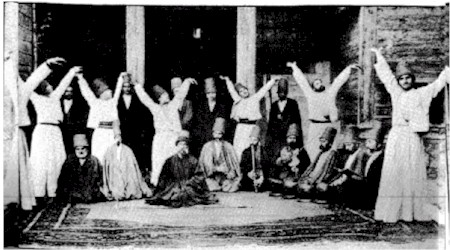 Manipulated with the fast-forward and rewind buttons on a cd player. November 17, 2007 1. Track 1 8:30 music for MORT  Musical excerpts from the play MORT, which I arranged and performed music for in its first two and only performances on August 3 and 4, 2006. These particular collage pieces consist of sound only from music by Morton Feldman. They were assembled collaboratively with tenor saxophonist/composer Sam Hillmer #24 Broken Music Himalayas Jigsaw Luft Impressions x 10 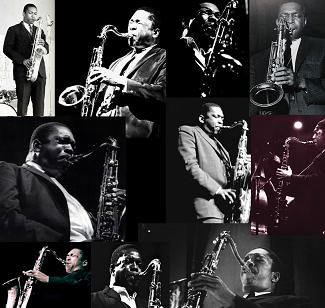 July 7, 2007 The sound of ten different recordings of John Coltrane playing "Impressions" going simulatenously. Rather difficult to listen to, but interesting I think... 1. "Impressions x 10" 20:54 FRACTAL 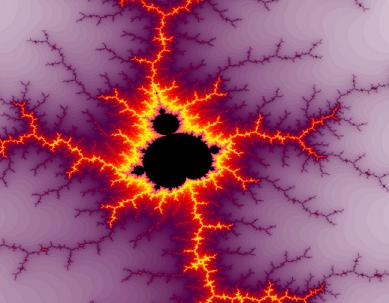 March 4, 2006 The sound of a bell I sampled and explored, from an old episode of Police Squad (the joke was a suspect's name, Eddie Cassalas, "rang a bell," so a bell kept going off). "FRACTAL" RACHMANINOFF OFF 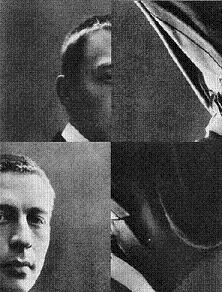 Rachmaninoff-off 3:37 SOUND COLLAGE July 2005 Various musical excerpts affected and blended together with the computer. Collage BEATSHELL 1.4 April 18, 2005 In collaboration with drummer, composer and long-time friend Doug Hirlinger, Beatshell 1.4 was assembled over the course of many weeks, sending a sound file back and forth to each other through e-mail. An initial sample from an electronic piece by composer Charles Wuornen got us going, from which point sounds were set from sources such as Fellini's Satyricon (Ilhan Mimaroglu), Kieslowski's Dekalog, Morton Feldman, Mario Davidovsky, Olivier Messiaen, Bela Bartok, Alban Berg, John Cage, Harrison Birtwistle, George Crumb... many old things going back to the days of mini disc recorders and the Manhattan School of Music library. Beatshell 1.4 CHINATOWN RECORDINGS, LOOPS 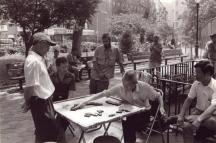
 1, 2, 3, 4, 5, 6, 7, 8, 9, 10, 11, 12, 13, 14, 15, 16 |